

What Should You Look for in a HAZMAT Warehousing Partner?
Finding a warehouse with enough space is easy. Finding one that's prepared to store your specific hazardous materials is a very different search.
Finding a warehouse with enough space is easy. Finding one that's prepared to store your specific hazardous materials is a very different search.
HAZMAT warehousing introduces concerns that go far beyond pallet positions and shipping schedules. Chemical compatibility, containment, documentation, employee training, emergency procedures, and regulatory requirements can all affect how materials need to be stored and handled. The wrong facility can create compliance problems, safety risks, delays, and expensive disruptions.
Before choosing a HAZMAT warehousing partner, look beyond available square footage and ask how the facility will actually manage your products.
1. Experience With Your Specific Materials
"Do you store HAZMAT?" shouldn't be your only question.
Hazardous materials can include substances with very different properties and risks. A warehouse experienced with one type of chemical may not necessarily be equipped to handle another.
Start by providing detailed information about your products, including their classifications, quantities, packaging, and Safety Data Sheets (SDSs). OSHA requires SDSs for hazardous chemicals to communicate information including hazards and recommendations for handling and storage.
A prospective warehouse should be able to review that information and determine whether its facility and procedures are appropriate for your particular inventory.
2. Proper Segregation and Storage Procedures
Where hazardous materials are stored within a facility matters.
Some chemicals are incompatible with others and may create additional hazards if they're allowed to mix or interact. Storage plans therefore need to account for chemical compatibility rather than simply placing products wherever space happens to be available.
Ask a prospective 3PL how it determines where materials are stored and how incompatible products are segregated.
At Lake Park Logistics, we incorporate proper containment and segregation into its chemical warehousing services for hazardous and non-hazardous materials.
3. Spill Prevention and Containment
A leaking box of ordinary merchandise is a nuisance. A leaking container of hazardous material can become a much larger safety and environmental concern.
Your HAZMAT warehouse should have procedures and appropriate systems for addressing spills and releases based on the materials it handles.
Ask what containment measures are in place, how spills are managed, and what happens if damaged or leaking inventory arrives at the facility.
Certain facilities and substances may also fall under specific environmental requirements. For example, the EPA's Spill Prevention, Control, and Countermeasure regulations apply to qualifying facilities that store oil above specified quantities. EPA Spill Prevention, Control, and Countermeasure guidance
The requirements that apply to your inventory will depend on the products, quantities, and facility.
4. Employees Who Understand HAZMAT Handling
The building is only part of a HAZMAT storage operation. The people handling the products matter just as much.
OSHA's Hazard Communication Standard requires employers to provide employees with information and training about hazardous chemicals in their work areas. Training must occur when employees are initially assigned and when new chemical hazards are introduced.
When evaluating a warehouse, ask about employee training and how procedures are communicated to the people receiving, moving, storing, and preparing hazardous materials for shipment.
5. Strong Documentation and Inventory Tracking
When you're storing hazardous materials, "we think it's in aisle four" isn't good enough.
A warehousing partner should have organized systems for tracking what's in the facility, where it's located, and how much inventory is on hand.
Documentation is also important for communicating hazards and handling requirements. OSHA requires SDSs to be readily accessible to employees during their work shifts.
For shippers, strong inventory visibility can also make everyday operations easier. You should be able to understand what's in storage and coordinate inbound and outbound movements without chasing information across multiple systems.
6. A Clear Emergency Response Plan
The best outcome is that an emergency plan never has to be used. That doesn't make it optional.
Ask how the warehouse prepares for incidents involving the materials it stores. Procedures may need to address spills, fires, employee exposure, evacuation, containment, and communication depending on the facility and products involved.
OSHA maintains specific requirements surrounding emergency preparedness and response that may apply depending on workplace conditions and activities.
A HAZMAT warehousing partner should be able to explain its procedures clearly rather than figuring them out after something happens.
7. Transportation Capabilities Beyond the Warehouse
Your chemicals aren't going to live in the warehouse forever.
Eventually, they need to move.
That's why it's worth evaluating the 3PL's transportation capabilities alongside its storage services. If your provider can coordinate both warehousing and transportation, you may be able to reduce the number of handoffs between companies managing your inventory.
For businesses moving hazardous materials into and out of Atlanta, location matters as well. Access to major interstate corridors, rail infrastructure, and Southeast ports can make the warehouse part of a larger distribution strategy rather than simply a place to store inventory.
8. Flexibility for Short-Term and Long-Term Storage
Chemical inventory doesn't always move according to a perfectly predictable schedule.
Production slowdowns, customer delays, transportation disruptions, seasonal demand, and unexpected inventory increases can all change how long products need to remain in storage.
A HAZMAT warehousing partner that can accommodate both shorter and longer storage periods gives businesses more flexibility when plans change.
Ask about minimum storage periods, available capacity, inbound requirements, and how quickly inventory can be received or released.
Frequently Asked Questions About Choosing a HAZMAT Warehouse
1. What information should I provide a HAZMAT warehouse?
Be prepared to provide detailed information about the material, including Safety Data Sheets, classification, quantity, packaging, and any specific handling or storage requirements.
2. Can every HAZMAT warehouse store every hazardous material?
No. The ability to accept a product depends on factors including the substance, quantity, classification, compatibility, facility capabilities, and applicable regulations.
3. Why is chemical segregation important?
Certain chemicals can create additional hazards when they come into contact with incompatible substances. Proper storage planning helps keep incompatible materials appropriately separated.
4. Can hazardous and non-hazardous chemicals be stored at the same facility?
Potentially. Whether products can be stored within the same facility depends on the specific materials, storage configuration, compatibility, and applicable requirements.
5. Should I choose a HAZMAT 3PL that also provides transportation?
It can simplify the supply chain. Working with a provider that can coordinate storage and transportation may reduce handoffs and give you one partner managing more of the product's journey.
Find a HAZMAT Warehousing Partner That Understands the Product
Choosing a HAZMAT warehouse shouldn't begin with, "How much space do you have?"
It should begin with, "Can you safely and appropriately handle what we're storing?"
Lake Park Logistics provides chemical warehousing solutions in the Atlanta area for hazardous and non-hazardous materials, with an emphasis on proper containment, segregation, documentation, inventory management, and safe handling.
Whether you need temporary storage between shipments or a longer-term warehousing and distribution solution, the right partner can help you manage the additional demands that come with chemical logistics.
HAZMAT transportation, secure warehousing, cross-docking, transloading, and 3PL solutions from Atlanta, GA. Lake Park Logistics helps businesses safely manage hazardous materials throughout the Southeast with compliant logistics services tailored to complex supply chains.
GMP Certified storage, long-term and short term storage solutions backed by cutting-edge technology for polished supply chain management.
the latest Logistics Trends
Cross-Dock It or Store It? How to Make the Right Decision When Freight Arrives
When Should a Manufacturer Use a 3PL During a Plant Expansion?
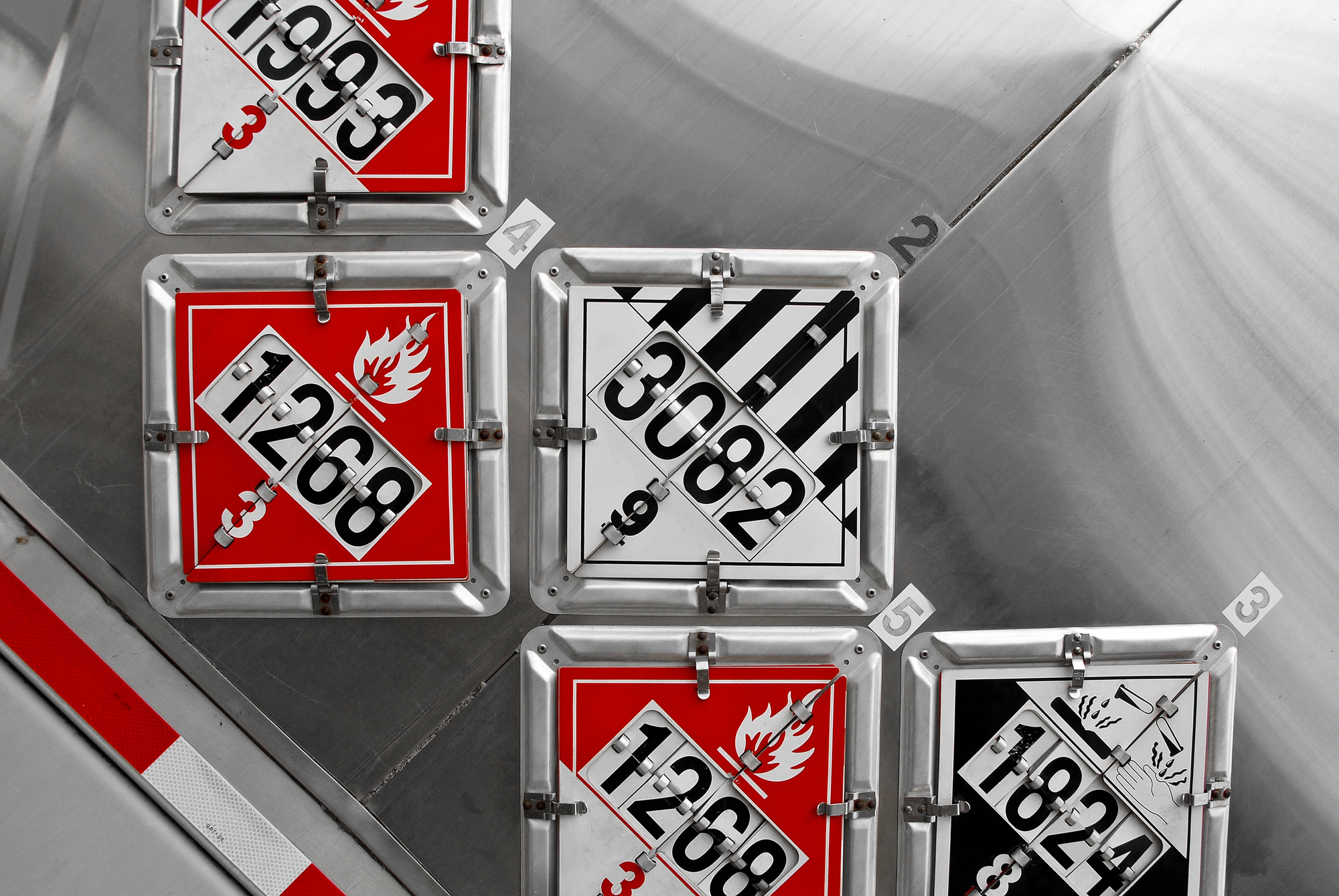
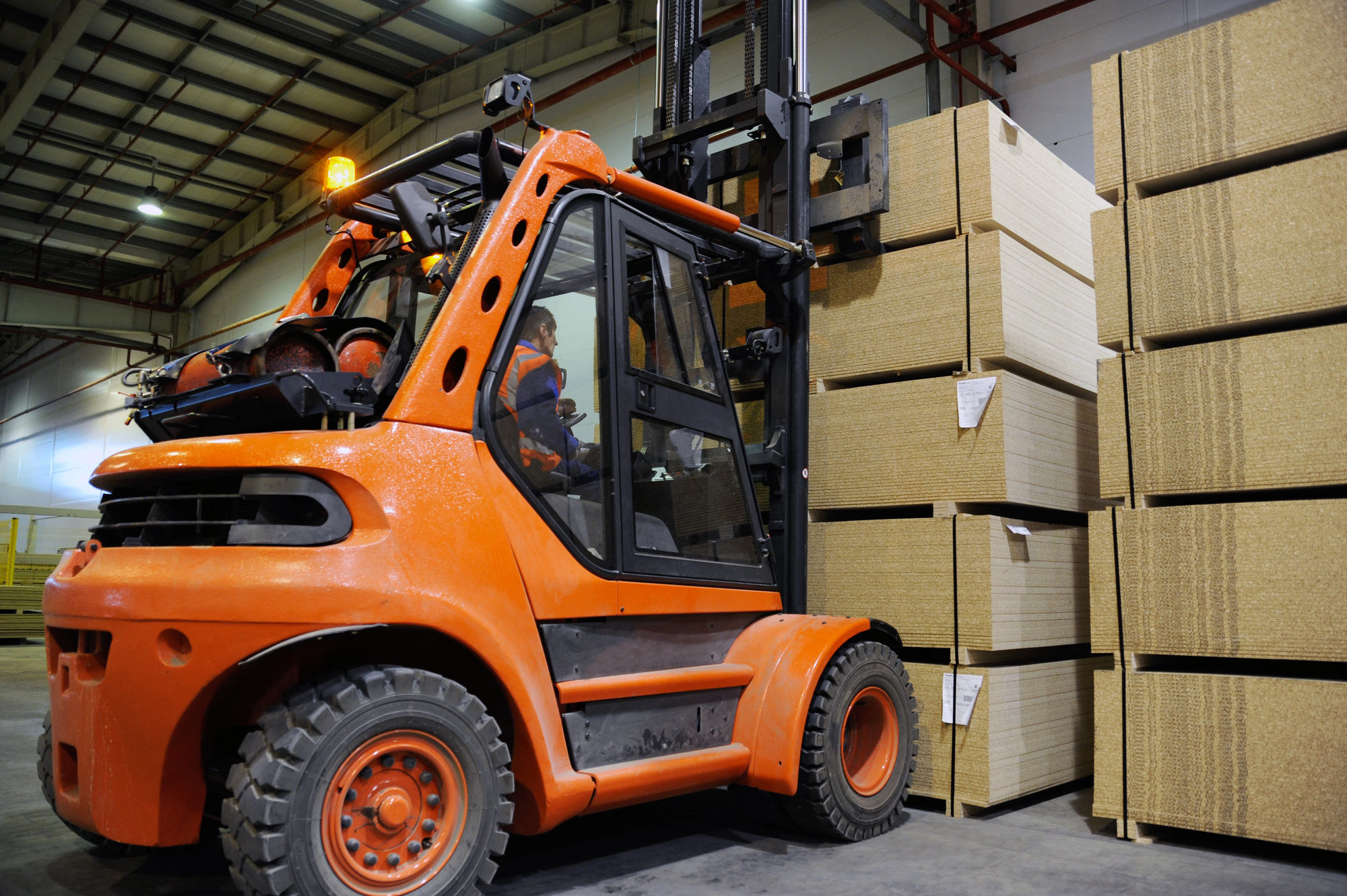
HAZMAT Storage vs. Standard Warehousing: What’s the Difference?
Customer testimonials
Don't take our word for it - see what our happy customers have to say!
"They know their stuff! We needed a reliable warehousing partner for our growing business, and they absolutely delivered. The facility is spacious, our inventory is always accounted for, and their team actually cares about keeping everything running smoothly. Seriously, best decision we made!"
"Fast, efficient, and no headaches—that’s how drayage should be, and that’s exactly what we got. They handled everything coming out of the port like pros, kept us updated the whole time, and got our freight where it needed to be without any issues. Highly recommend!"
"The Lake Park Logistics team helped our supply chain immensely with their 3PL services. They gave us real-time tracking on our shipments, which really helped us identify where to improve and cut costs. It’s like having a whole logistics department without the hassle. Five stars all the way!"
Tailored Warehousing Solutions
Get a personalized consultation and quote today!