
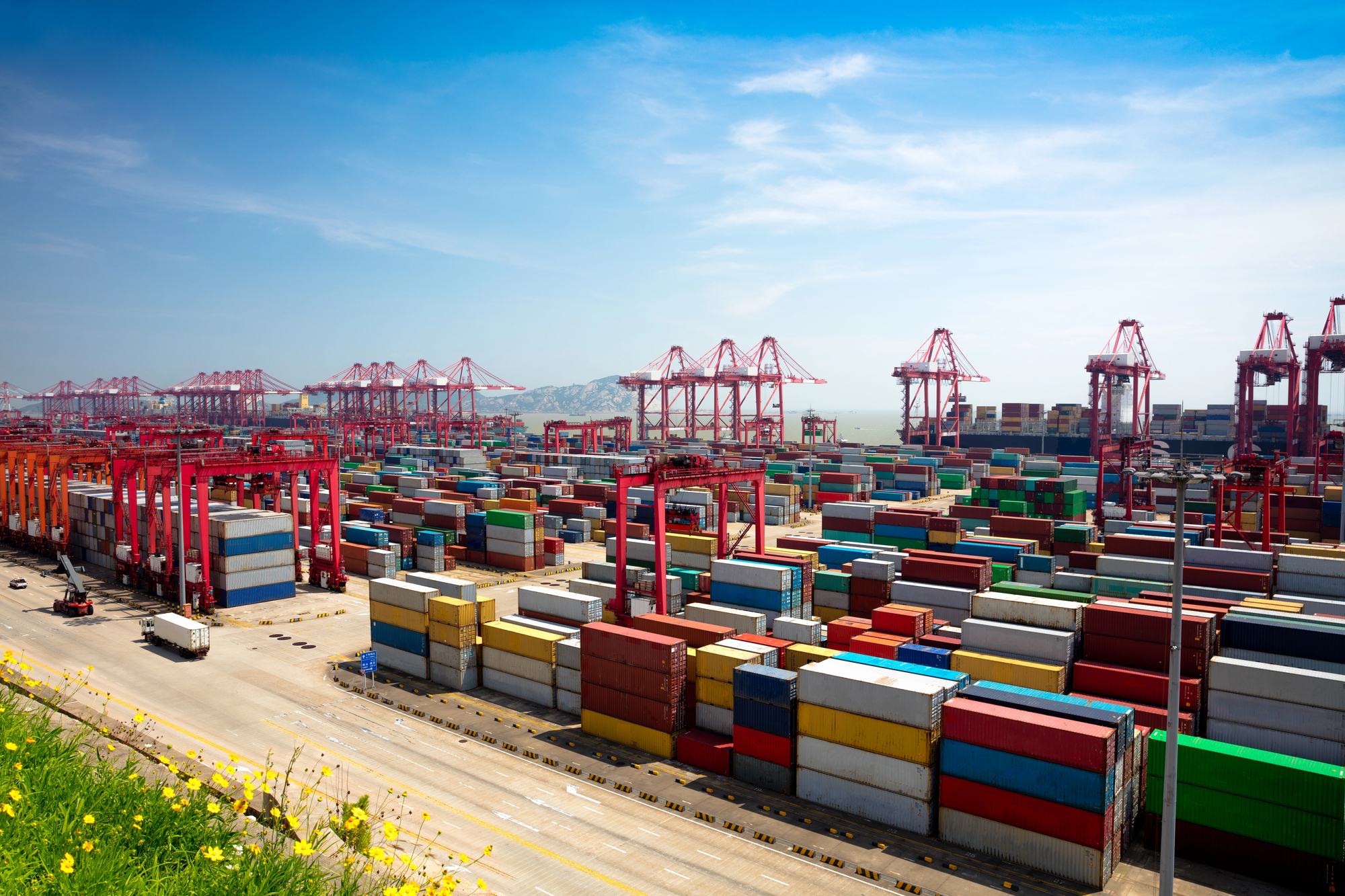
Rail-to-Truck Transloading: How It Works Step by Step
For companies shipping through Atlanta and the Southeast, transloading can reduce transportation costs, improve delivery options, and create a more flexible supply chain.
Rail-to-truck transloading helps businesses move freight efficiently by combining the long-distance cost savings of rail with the flexibility of truck transportation. Instead of relying on one mode from origin to destination, products are transferred from railcars to trucks at a transloading facility, then delivered to their final location.
For companies shipping through Atlanta and the Southeast, transloading can reduce transportation costs, improve delivery options, and create a more flexible supply chain.
What Is Rail-to-Truck Transloading?
Rail-to-truck transloading is the process of moving freight from a railcar into a truck, trailer, container, or storage area before final delivery.
It is commonly used for products like building materials, consumer goods, dry bulk products, industrial supplies, packaging materials, and other freight that benefits from rail efficiency but still needs regional truck delivery.
Step 1: Freight Arrives by Rail
The process begins when freight arrives at or near a rail-served transloading facility.
Rail is often used for long-distance transportation because it can move large volumes efficiently. Once the railcar arrives, the transloading team reviews shipment details, confirms freight information, and prepares the equipment needed for unloading.
Step 2: Freight Is Unloaded Safely
Next, the freight is carefully unloaded from the railcar.
Depending on the product, this may involve forklifts, conveyors, pumps, cranes, or specialized handling equipment. Proper unloading is essential for preventing damage, maintaining product quality, and keeping freight moving on schedule.
Step 3: Products Are Transferred or Stored
After unloading, products may be transferred directly into trucks or placed into Warehousing for short-term storage.
This flexibility is one of the biggest advantages of Transloading. Businesses can hold inventory temporarily, consolidate shipments, or stage products for delivery based on customer demand.
Step 4: Freight Is Loaded Onto Trucks
Once the shipment is ready, freight is loaded onto trucks for regional or final-mile delivery.
Trucking provides the flexibility rail cannot, especially when deliveries need to reach warehouses, retailers, job sites, manufacturers, or distribution centers that are not directly rail-served.
Step 5: Freight Moves to Its Final Destination
The final step is delivery.
With the right logistics partner, Cross Docking, Transloading, Warehousing, and Brokerage can work together to create a smoother supply chain from rail arrival to final delivery.
Why Use Rail-to-Truck Transloading in Atlanta?
Atlanta is a major logistics hub with strong rail access, highway connections, and regional distribution advantages.
For businesses serving Georgia and the Southeast, rail-to-truck transloading can help reduce long-haul trucking costs while maintaining fast, flexible delivery options.
Frequently Asked Questions
1. What types of freight can be transloaded?
Many products can be transloaded, including dry goods, palletized freight, building materials, packaging products, industrial supplies, and dry bulk commodities.
2. Is transloading the same as cross docking?
No. Transloading transfers freight between transportation modes, such as rail to truck. Cross Docking moves freight quickly from inbound to outbound transportation with little or no storage time.
3. Can transloading reduce shipping costs?
Yes. Rail can be more cost-effective for long-distance freight, while trucks provide flexible local and regional delivery. Combining both can help lower overall transportation costs.
Key Takeaway
Rail-to-truck transloading gives businesses a smarter way to move freight by combining rail efficiency with trucking flexibility. From rail arrival and unloading to storage, truck loading, and final delivery, each step helps create a more adaptable and cost-effective supply chain.
At Lake Park Logistics, we provide Transloading, Cross Docking, Transloading, Warehousing, Brokerage, and Transportation Solutions designed to keep freight moving efficiently throughout the Southeast.
Our full-stack 3PL services provide businesses with short-term and long-term storage, efficient freight management, and seamless distribution for cost-effective supply chain solutions.
GMP Certified storage, long-term and short term storage solutions backed by cutting-edge technology for polished supply chain management.
Gain access to a variety of reputable logistics professionals while we negotiate the best rates to streamline your supply chain.
the latest Logistics Trends
Cross-Dock It or Store It? How to Make the Right Decision When Freight Arrives
When Should a Manufacturer Use a 3PL During a Plant Expansion?

What Should You Look for in a HAZMAT Warehousing Partner?
Customer testimonials
Don't take our word for it - see what our happy customers have to say!
"They know their stuff! We needed a reliable warehousing partner for our growing business, and they absolutely delivered. The facility is spacious, our inventory is always accounted for, and their team actually cares about keeping everything running smoothly. Seriously, best decision we made!"
"Fast, efficient, and no headaches—that’s how drayage should be, and that’s exactly what we got. They handled everything coming out of the port like pros, kept us updated the whole time, and got our freight where it needed to be without any issues. Highly recommend!"
"The Lake Park Logistics team helped our supply chain immensely with their 3PL services. They gave us real-time tracking on our shipments, which really helped us identify where to improve and cut costs. It’s like having a whole logistics department without the hassle. Five stars all the way!"
Tailored Warehousing Solutions
Get a personalized consultation and quote today!