
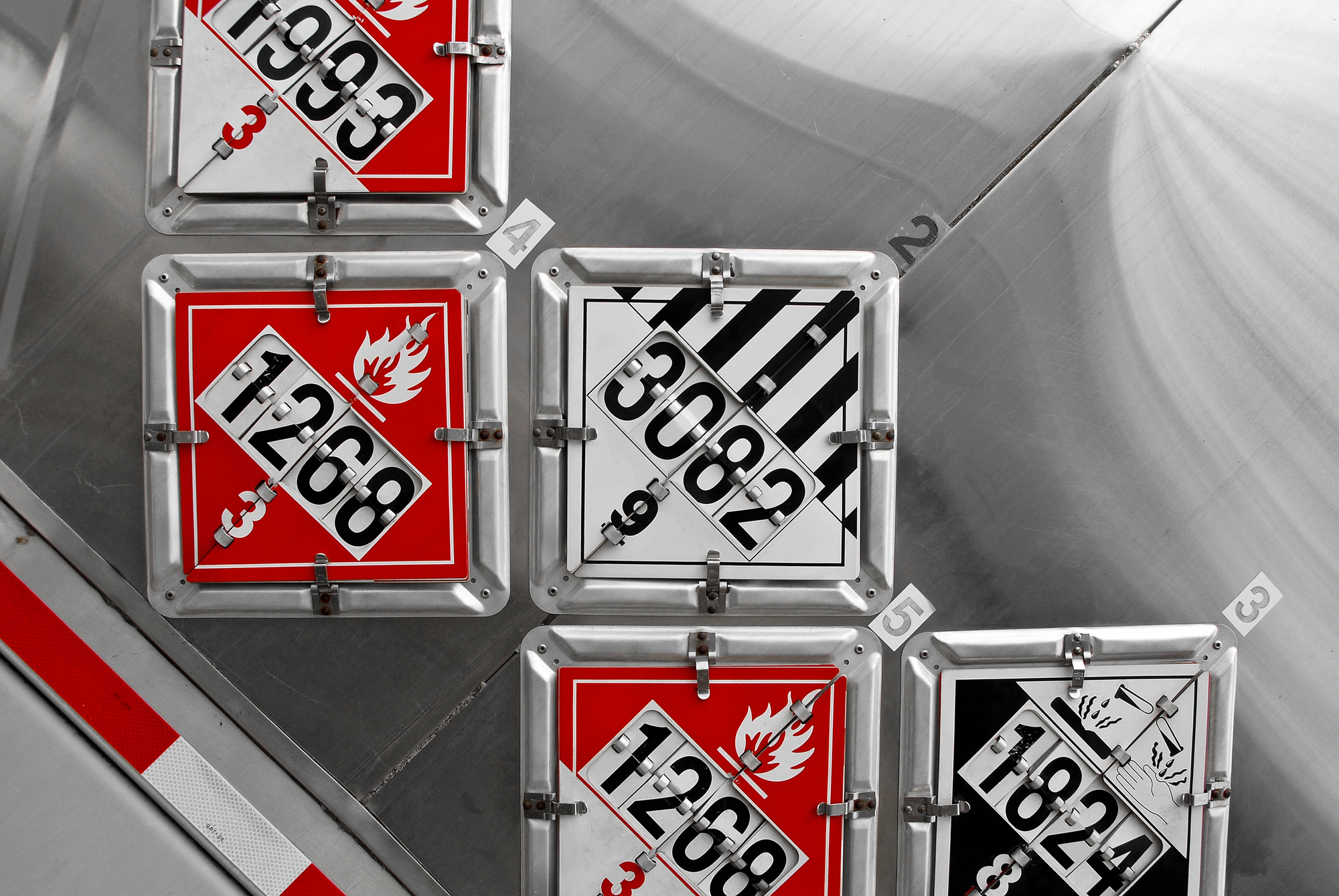
HAZMAT Storage vs. Standard Warehousing: What’s the Difference?
Hazardous materials introduce requirements that don't apply to most everyday inventory. Chemicals and other regulated materials may need specific handling procedures, containment measures, segregation, documentation, employee training, and emergency planning.
A warehouse may have plenty of open space, but that doesn't mean every product can safely be stored there.
Hazardous materials introduce requirements that don't apply to most everyday inventory. Chemicals and other regulated materials may need specific handling procedures, containment measures, segregation, documentation, employee training, and emergency planning.
For businesses storing HAZMAT, choosing the right warehouse isn't simply about finding available square footage. It's about finding a facility prepared to handle the specific materials you're storing.
So, what actually makes HAZMAT storage different from standard warehousing?
What Is HAZMAT Storage?
HAZMAT storage refers to warehousing hazardous materials that can pose risks to people, property, or the environment if they're handled improperly.
Depending on the material, hazards can include flammability, corrosivity, toxicity, reactivity, or other characteristics. Different regulatory requirements may apply based on the substance, quantity, packaging, and facility.
OSHA's Hazard Communication Standard, for example, requires employers to provide information about hazardous chemicals in the workplace through measures including labels, safety data sheets, and employee training.
That's one reason HAZMAT storage needs to be approached differently from storing ordinary consumer goods.
How Is HAZMAT Storage Different From Standard Warehousing?
In a standard warehouse, the primary concerns often revolve around inventory accuracy, space utilization, product protection, and getting orders in and out on schedule.
Those things still matter in a HAZMAT warehouse, but there's another layer: risk management and regulatory compliance.
A facility storing hazardous materials may need procedures addressing:
- Material classification and documentation
- Proper labeling
- Safe handling
- Chemical compatibility and segregation
- Spill prevention and containment
- Employee training
- Emergency response procedures
- Applicable federal, state, and local requirements
The exact requirements depend on what's being stored. There isn't one universal setup that makes a warehouse suitable for every type of hazardous material.
Why Does HAZMAT Segregation Matter?
Two products can be perfectly safe when stored separately and dangerous when they come into contact with each other. That's why chemical compatibility matters.
OSHA specifically requires certain incompatible materials to be separated or isolated where their combination could create an additional hazard.
A HAZMAT warehousing plan therefore needs to consider more than where there happens to be an empty pallet position. The characteristics of the materials themselves can determine where and how they should be stored.
At Lake Park Logistics, we emphasizes proper segregation and containment as part of its chemical warehousing services, helping businesses store hazardous and non-hazardous chemicals according to the needs of the products involved.
What Role Does Containment Play in HAZMAT Storage?
With ordinary inventory, a damaged package may create a cleanup problem. With hazardous materials, a leak or spill can create a safety and environmental issue.
Depending on the material, facilities may need appropriate containment systems and procedures designed to control a release and prevent it from spreading.
EPA regulations also establish spill-prevention requirements for certain facilities storing oil above specified quantities. Facilities subject to the Spill Prevention, Control, and Countermeasure rule must develop plans for preventing oil discharges and responding to spills.
Requirements vary considerably based on the substances and quantities involved, which is why businesses should confirm that a warehouse is equipped for their specific inventory rather than simply asking whether it "accepts HAZMAT."
Why Are Safety Data Sheets Important in HAZMAT Warehousing?
You can't safely handle a chemical if you don't know what you're handling. Safety Data Sheets, commonly called SDSs, provide standardized information about hazardous chemicals, including their hazards, handling and storage recommendations, exposure controls, and emergency measures.
OSHA requires employers to maintain SDSs for hazardous chemicals in the workplace and ensure they're readily accessible to employees during their work shifts.
For shippers, accurate documentation helps the warehouse understand what is arriving before the truck reaches the dock.
That makes communication between the shipper and 3PL particularly important when hazardous materials are involved.
Do HAZMAT Warehouse Employees Need Special Training?
Employees working around hazardous chemicals need to understand the risks associated with their jobs.
Under OSHA's Hazard Communication Standard, employees must receive information and training about hazardous chemicals in their work area at the time of their initial assignment and when new chemical hazards are introduced.
Training requirements can extend beyond hazard communication depending on the materials and activities involved.
This is another important distinction between HAZMAT and conventional warehousing. Safety procedures can't simply live in a binder somewhere in the office. Employees handling and working around the products need to understand the applicable procedures.
Can a Standard Warehouse Store Some Hazardous Materials?
Potentially, but the answer depends on the material and facility.
"HAZMAT" covers a broad range of substances. Requirements can change based on the chemical classification, quantity, packaging, storage configuration, and applicable regulations.
A warehouse shouldn't assume it can accept a product simply because it has stored another type of hazardous material before.
Before selecting a facility, provide detailed information about the product and ask whether the warehouse is equipped and permitted, where applicable, to handle that specific material.
What Should You Ask a HAZMAT Warehouse Before Sending Inventory?
Start with the actual product rather than a generic question about HAZMAT capabilities. A warehouse needs specific information about what you plan to store before it can determine whether its facility is the right fit. Be prepared to provide:
- Safety Data Sheet (SDS)
- Product classification
- Quantity
- Packaging type
- Storage and handling requirements
- Expected inbound and outbound activity
From there, ask how the facility handles containment, segregation, employee training, inventory tracking, emergency procedures, and regulatory requirements relevant to your materials.
If you're shipping drums of a particular chemical, you need to know whether the facility can handle that chemical, not simply whether “chemicals” appear on its service list.
Frequently Asked Questions About HAZMAT Storage
1. Is all chemical storage considered HAZMAT storage?
No. Not every chemical is classified as hazardous. Classification depends on the characteristics of the substance and applicable regulations.
2. Can hazardous and non-hazardous materials be stored in the same facility?
Potentially. Appropriate storage depends on the materials involved, compatibility, facility design, and applicable requirements. Lake Park Logistics provides storage solutions for both hazardous and non-hazardous chemicals.
3. What information should I give a warehouse before shipping HAZMAT?
Provide complete information about the material, including its SDS, classification, quantity, packaging, and any special storage or handling requirements.
4. Why can't all hazardous materials be stored together?
Some chemicals are incompatible and can create additional hazards if they mix or interact. Proper segregation helps reduce that risk.
5. Is HAZMAT warehousing more complicated than regular storage?
Generally, yes. Hazardous materials can introduce additional requirements involving documentation, training, handling, segregation, containment, emergency planning, and regulatory compliance.
HAZMAT and Chemical Storage in Atlanta
The biggest difference between HAZMAT and standard warehousing isn't the building. It's everything happening inside it.
Lake Park Logistics provides hazardous and non-hazardous chemical warehousing in the Atlanta area, with solutions built around proper containment, segregation, inventory management, documentation, and safe handling.
For chemical manufacturers and shippers, working with a 3PL that understands the additional demands of hazardous materials can help create a safer, more organized path from inbound transportation through storage and distribution.
HAZMAT transportation, secure warehousing, cross-docking, transloading, and 3PL solutions from Atlanta, GA. Lake Park Logistics helps businesses safely manage hazardous materials throughout the Southeast with compliant logistics services tailored to complex supply chains.
GMP Certified storage, long-term and short term storage solutions backed by cutting-edge technology for polished supply chain management.
the latest Logistics Trends
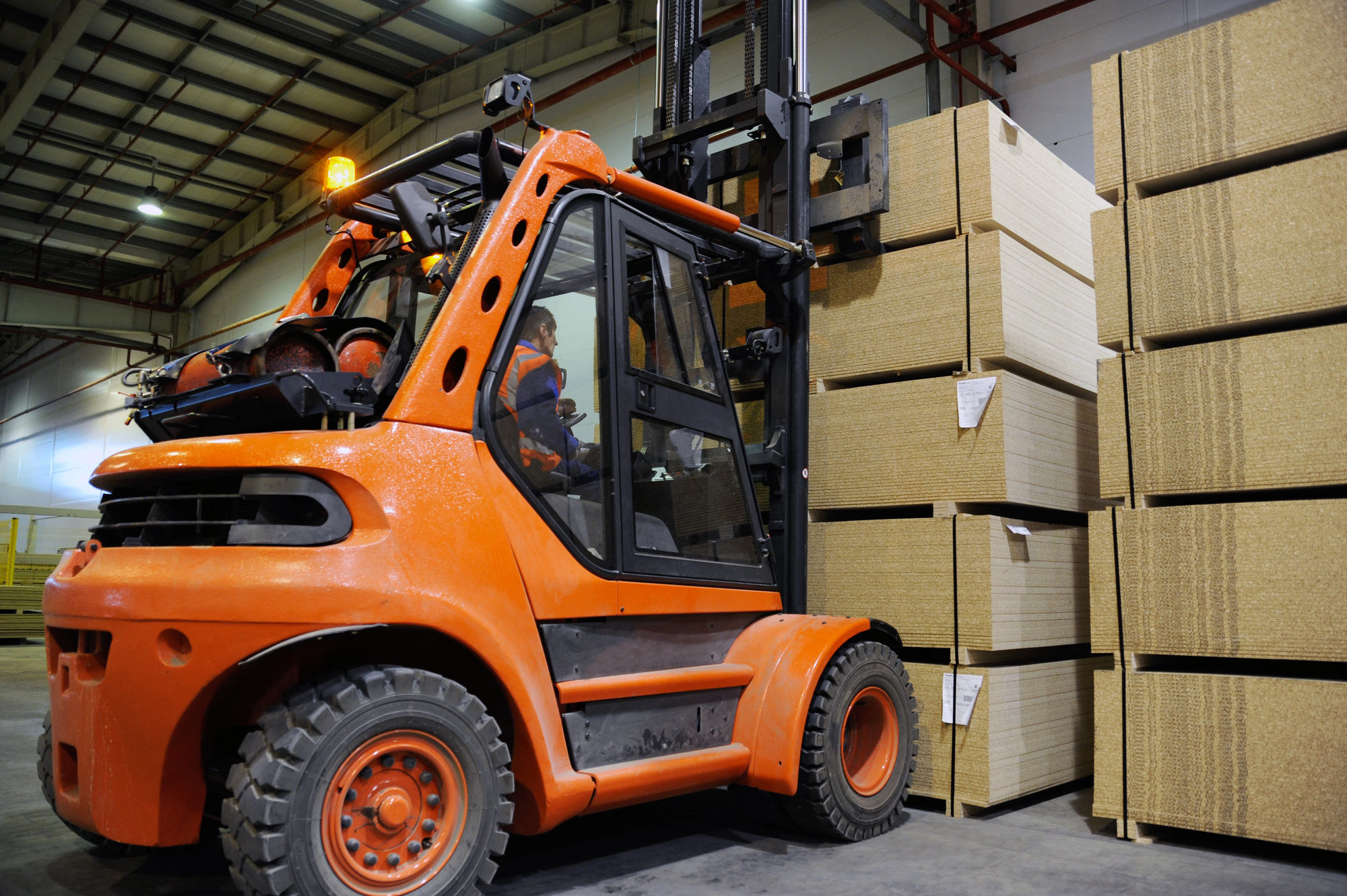
Cross-Dock It or Store It? How to Make the Right Decision When Freight Arrives
When Should a Manufacturer Use a 3PL During a Plant Expansion?

What Should You Look for in a HAZMAT Warehousing Partner?
Customer testimonials
Don't take our word for it - see what our happy customers have to say!
"They know their stuff! We needed a reliable warehousing partner for our growing business, and they absolutely delivered. The facility is spacious, our inventory is always accounted for, and their team actually cares about keeping everything running smoothly. Seriously, best decision we made!"
"Fast, efficient, and no headaches—that’s how drayage should be, and that’s exactly what we got. They handled everything coming out of the port like pros, kept us updated the whole time, and got our freight where it needed to be without any issues. Highly recommend!"
"The Lake Park Logistics team helped our supply chain immensely with their 3PL services. They gave us real-time tracking on our shipments, which really helped us identify where to improve and cut costs. It’s like having a whole logistics department without the hassle. Five stars all the way!"
Tailored Warehousing Solutions
Get a personalized consultation and quote today!