

Common Cross Docking Challenges and How to Avoid Them
Understanding the most common cross docking challenges can help businesses maximize efficiency while avoiding disruptions.
Cross docking is one of the most effective ways to move freight quickly through the supply chain. By transferring products directly from inbound shipments to outbound transportation with little or no storage time, businesses can reduce warehousing costs, speed up deliveries, and improve inventory flow. However, successful cross docking requires careful planning and coordination. Without the right processes in place, small issues can quickly lead to costly delays.
Understanding the most common cross docking challenges can help businesses maximize efficiency while avoiding disruptions.
Why Can Cross Docking Be Challenging?
Unlike traditional warehousing, cross docking leaves very little room for error. Because products are transferred almost immediately, every shipment must arrive, be processed, and depart according to schedule.
Even minor disruptions can create delays throughout the supply chain if logistics aren't properly coordinated.
Challenge #1: Poor Shipment Timing
Cross docking depends on precise scheduling.
If inbound freight arrives late or outbound trucks aren't available, products may need temporary storage, reducing the efficiency that cross docking is designed to provide.
Working with an experienced logistics provider that coordinates transportation schedules helps keep freight moving without unnecessary delays.
Challenge #2: Limited Inventory Visibility
Without accurate inventory tracking, shipments can easily become misplaced or delayed.
Modern warehouse management systems provide real-time visibility into inbound and outbound freight, allowing logistics teams to quickly identify inventory and maintain efficient product flow throughout the facility.
Combining Cross Docking with Warehousing and Transportation Management creates greater control over inventory while improving operational efficiency.
Challenge #3: Inefficient Communication
Cross docking requires multiple parties to work together, including suppliers, carriers, warehouse teams, and customers.
Communication breakdowns can result in missed appointments, incorrect shipments, or delayed deliveries. A centralized logistics partner helps improve coordination by managing transportation, scheduling, and freight movement under one roof.
Challenge #4: Freight Damage During Handling
Although cross docking reduces long-term storage, products are still transferred between trucks and loading docks.
Improper handling can increase the risk of damaged freight, especially for fragile or oversized shipments. Experienced warehouse personnel and standardized handling procedures help protect products throughout the transfer process.
Challenge #5: Seasonal Volume Surges
During peak shipping seasons, cross docking facilities often experience higher freight volumes.
Without scalable logistics support, increased demand can overwhelm operations and create bottlenecks. Businesses that partner with providers offering Cross Docking, Transloading, Warehousing, and Brokerage services can quickly adapt to changing shipment volumes while maintaining efficient operations.
How Can Businesses Avoid These Challenges?
The most successful cross docking operations rely on planning, technology, and experienced logistics management.
Choosing a provider with integrated logistics services allows businesses to coordinate transportation, inventory management, and freight transfers through a single partner. This creates greater flexibility while reducing delays and improving overall supply chain performance.
Frequently Asked Questions
1. Is cross docking right for every business?
Not always. Cross docking works best for fast-moving inventory, time-sensitive shipments, and products that don't require long-term storage.
2. Does cross docking eliminate the need for warehousing?
No. While many shipments move directly through the facility, Warehousing remains valuable for businesses that need inventory storage, seasonal flexibility, or buffer stock between shipments.
3. Can cross docking reduce shipping costs?
Yes. By minimizing storage time, reducing handling, and improving transportation efficiency, cross docking can help lower overall logistics costs while accelerating delivery times.
Key Takeaway
Cross docking offers significant advantages, but its success depends on careful coordination, accurate inventory management, and reliable transportation. By understanding common challenges and partnering with an experienced logistics provider, businesses can improve supply chain efficiency while reducing delays and operating costs.
At Lake Park Logistics, we provide customized Cross Docking, Transloading, Warehousing, Brokerage, and Transportation Solutions throughout the Atlanta area. Our experienced team helps businesses streamline freight movement, improve efficiency, and keep products moving from arrival to final destination with confidence.
Our full-stack 3PL services provide businesses with short-term and long-term storage, efficient freight management, and seamless distribution for cost-effective supply chain solutions.
GMP Certified storage, long-term and short term storage solutions backed by cutting-edge technology for polished supply chain management.
the latest Logistics Trends
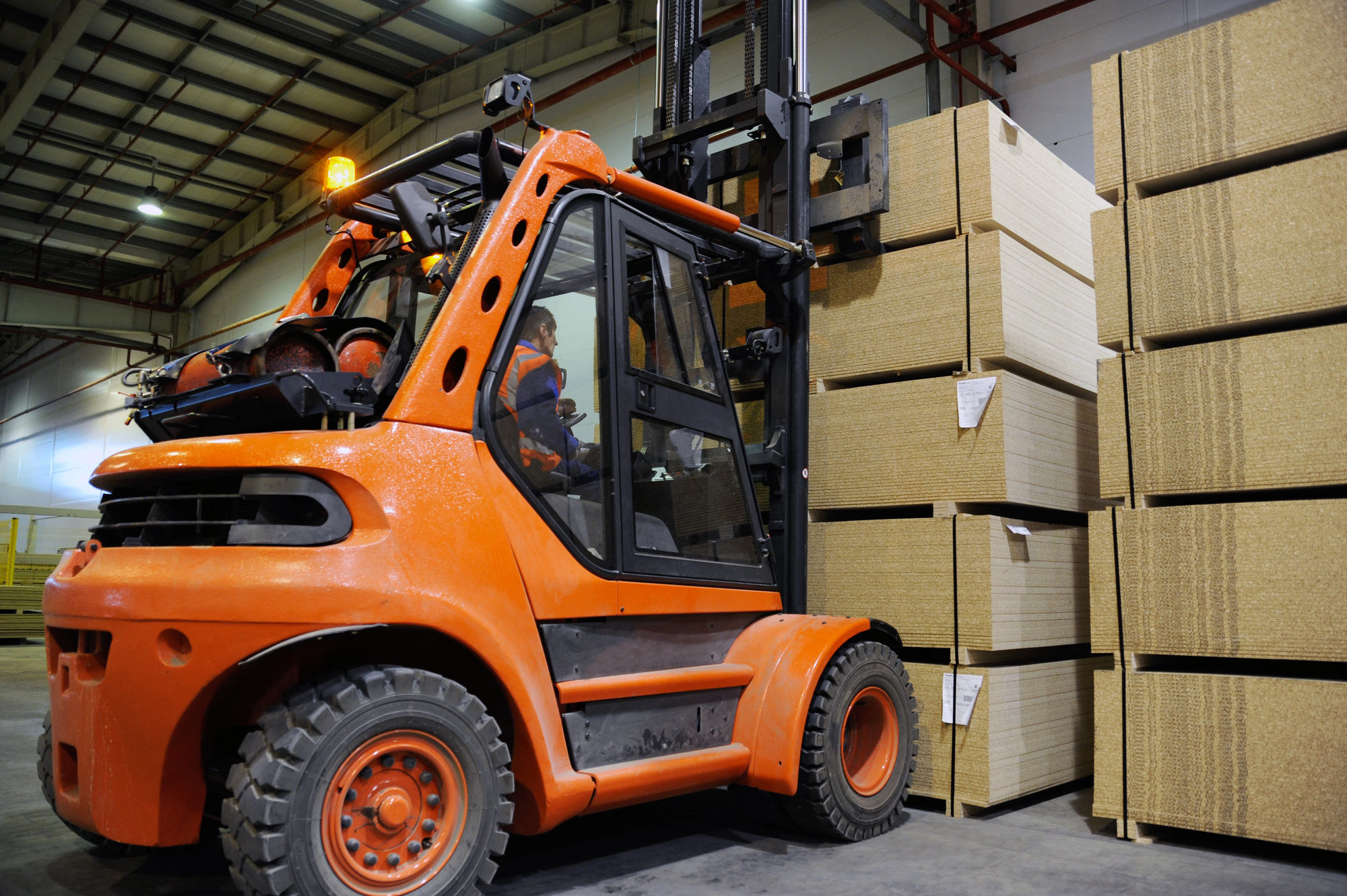
Cross-Dock It or Store It? How to Make the Right Decision When Freight Arrives

When Should a Manufacturer Use a 3PL During a Plant Expansion?

What Should You Look for in a HAZMAT Warehousing Partner?
Customer testimonials
Don't take our word for it - see what our happy customers have to say!
"They know their stuff! We needed a reliable warehousing partner for our growing business, and they absolutely delivered. The facility is spacious, our inventory is always accounted for, and their team actually cares about keeping everything running smoothly. Seriously, best decision we made!"
"Fast, efficient, and no headaches—that’s how drayage should be, and that’s exactly what we got. They handled everything coming out of the port like pros, kept us updated the whole time, and got our freight where it needed to be without any issues. Highly recommend!"
"The Lake Park Logistics team helped our supply chain immensely with their 3PL services. They gave us real-time tracking on our shipments, which really helped us identify where to improve and cut costs. It’s like having a whole logistics department without the hassle. Five stars all the way!"
Tailored Warehousing Solutions
Get a personalized consultation and quote today!